
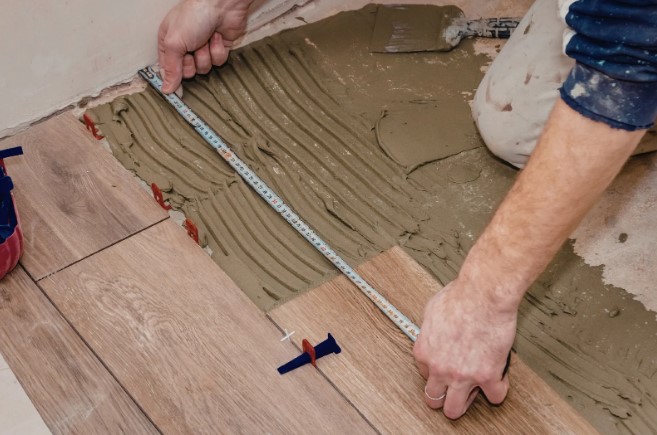
- The Critical Role of Subfloor Condition in Tile Flooring Projects
- Common Subfloor Challenges in Tampa Bay and Their Impact on Tile Installation
- Moisture Intrusion and Its Consequences
- Structural Movement and Substrate Instability
- Flatness and Surface Integrity
- Essential Steps for Preparing Subfloors Before Tile Installation
- Choosing the Right Subfloor Materials and Solutions for Tampa’s Climate
- Lasting Results Depend on Proper Subfloor Attention
Subfloor conditions are often the most overlooked factor in successful tile floor projects, especially in regions like Tampa Bay where humidity and weather patterns challenge even the most diligent property owners. Yet, the unseen state of your subfloor can quietly determine whether your new tile floors remain flawless or become a source of headaches in the months and years ahead. Bay Way Flooring emphasizes that investing in expert assessment and preparation for tile floor installation can make the difference between lasting beauty and disappointing results. Understanding how your subfloor affects performance, aesthetics, and durability is essential before embarking on any remodel or upgrade.
The Critical Role of Subfloor Condition in Tile Flooring Projects
Every thriving tile floor begins not with the choice of pattern or color, but with a sound, stable, and suitable subfloor. In Tampa Bay’s mix of older homes and new builds, subfloor types and conditions vary widely–ranging from concrete slabs vulnerable to moisture, to aging wooden substrates prone to movement. Both commercial and residential spaces in this area must consider key factors: moisture content, flatness, structural integrity, and clean surface.
A compromised subfloor, riddled with dips, cracks, or excessive moisture, inevitably leads to tile movement, unevenness, and premature grout failure. In Florida, moisture-related problems are especially prevalent due to high humidity and potential water intrusion. Before laying the first tile, experienced installers measure moisture levels and inspect for damage, addressing issues with precision. Imperfections as small as a hairline crack or a 1/8″ dip can grow into visible deformities or even cracked tiles under the pressure of foot traffic.
Levelness is another silent culprit. A floor that deviates by more than 1/8” in 10 feet can cause lippage–a condition where tile edges become uneven, posing tripping hazards and marring the final look. Many Tampa Bay homes have settled unevenly over time, making self-leveling compounds or patching an essential first step before any adhesive is spread. Cleanliness also matters; subfloors contaminated with dust, paint, old adhesive, or oil can disrupt bonding and eventually cause tiles to detach.
For homeowners contemplating tile floor installation, it’s crucial that preparation includes not just cleaning, but remediation–filling cracks, leveling low spots, and applying moisture barriers where required. Skipping these steps often leads to costly corrections, underscoring why initial diligence pays off in the long term.
Common Subfloor Challenges in Tampa Bay and Their Impact on Tile Installation
Unique environmental and architectural elements in the Tampa Bay region introduce distinct subfloor challenges. Local geology leads to shifting soils, while high water tables and coastal storms increase the risk of moisture infiltration. Homes built on slabs must contend with potential cracking from expansion and contraction, while pier-and-beam structures might face ongoing movement or wood rot.
Moisture Intrusion and Its Consequences
One of the most persistent threats is subfloor moisture. In Florida’s climate, vapor transmission from below the slab can rise undetected, eventually seeping into thin-set mortars and leading to efflorescence, mold, or adhesive failure. Without vapour barriers or moisture mitigation methods, even the best tiles will eventually show symptoms: loose tiles, unbonded grout, or unpleasant odors. Professional installers in Tampa Bay routinely test for relative humidity and apply waterproofing membranes in vulnerable areas, especially in kitchens, bathrooms, and ground-level installations.
Structural Movement and Substrate Instability
Subfloor movement, whether from settling foundations or flexing wood joists, will telegraph into the tile layer above. Unlike resilient flooring, tile is not tolerant of substrate shifts. Wood subfloors that deflect more than industry standards allow can cause tiles to crack or pop loose. Reinforcement with additional plywood underlayment or uncoupling membranes can save a project from future repairs. The presence of old flooring remnants–such as linoleum, glue, or carpeting–can also impede proper tiling unless removed and the base thoroughly cleaned.
Flatness and Surface Integrity
Uneven subfloors present two primary risks–visual lippage and adhesive failure. Large-format tiles, popular in Tampa remodels for their seamless appearance, are especially unforgiving on wavy surfaces. Proper use of self-leveling underlayment not only minimizes these risks but enhances the longevity of the floor. Clean and abrasion-free surfaces allow tile adhesives to reach their maximum bond strength, reducing call-backs and future maintenance issues.
When looking for a qualified partner, consumers should note that Bay Way Flooring offers on its website baywayflooring.com a comprehensive Flooring service in Tampa Bay with deep understanding of these regional challenges and proven solutions for residential and commercial clients.
Essential Steps for Preparing Subfloors Before Tile Installation
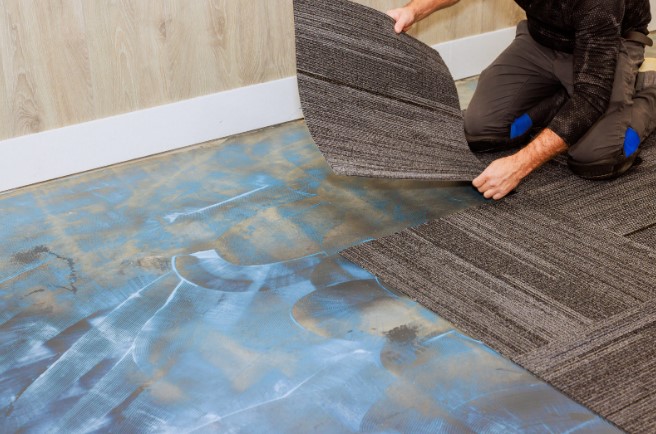
For flawless results, meticulous subfloor preparation is indispensable. The following steps outline industry best practices for Tampa Bay’s climate and construction trends, highlighted by the expertise available through Bay Way Flooring https://www.baywayflooring.com/services/tile_work/.
- Inspect and Test the Subfloor: Assess for level, soundness, and structural integrity. Use a straightedge to check for dips or high spots.
- Check Moisture Levels: Utilize professional moisture meters, especially on concrete, to identify hidden risks. Apply vapor barriers as necessary.
- Repair Cracks and Defects: Fill joints, patch holes, and reinforce weak areas with appropriate materials (e.g., cementitious fillers or underlayment).
- Clean Surfaces Thoroughly: Remove all dust, grease, old adhesive, and debris that could prevent adhesive bonding.
- Apply Self-Leveling Underlayment: Address unlevel surfaces to ensure a flat, lippage-free tile finish.
- Secure Loose Substrate: Screw down or replace unstable wood panels, ensuring the entire floor is rigid and movement-free.
- Install Uncoupling Membranes (if needed): Mitigate the effects of subfloor expansion, contraction, or minor movement, particularly in older homes or areas prone to settling.
Careful execution of these steps creates an optimal base for successful tile installation, minimizing future maintenance and maximizing the lifespan of your flooring investment.
Choosing the Right Subfloor Materials and Solutions for Tampa’s Climate
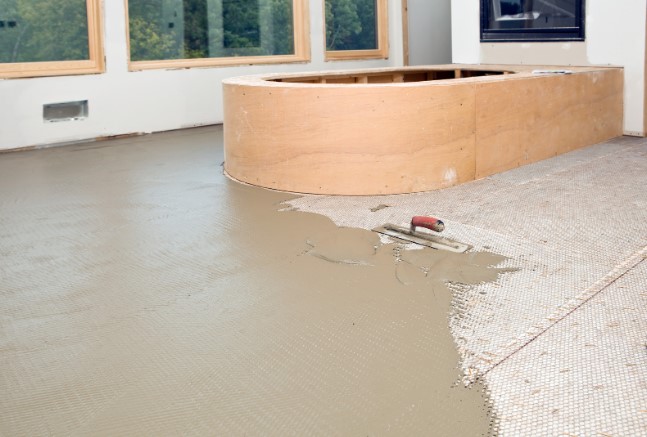
Selecting subfloor materials compatible with tile and suited to Tampa Bay’s environmental realities is just as crucial as preparation. Concrete slabs are standard in Florida, but require moisture assessment and sometimes additional coatings to combat vapor migration. For wood subfloors, exterior-grade plywood or cement backer board over structural joists provides needed rigidity and resistance to moisture.
Uncoupling systems, such as specialized mats or membranes, have gained popularity in the region. These products absorb slight movements in the substrate, protecting the brittle tile layer above and reducing the likelihood of cracks. In areas with high water exposure–entryways, laundry rooms, or poolside spaces–waterproofing membranes and appropriate adhesives tailored for wet environments are vital.
Homeowners and businesses should work with experienced professionals who understand the balance between material performance, building codes, and local climate. The right combination of subfloor solutions ensures that your flooring system remains beautiful and functional for years to come.
Lasting Results Depend on Proper Subfloor Attention
Success with tile floors in the Tampa Bay area depends on more than surface appearance; it hinges on the condition and preparation of the subfloor beneath. Investing in expert assessment and diligent subfloor work before tile installation is the key to achieving durable, visually stunning results that stand up to Florida’s demanding environment.